I Tested the Zv E1 for a Month: Here is My Verdict
Category: Electronics
Introduction
The Zv E1 arrived on the reviewer’s desk as a camera that promised to bridge the gap between dedicated vlogging tools and compact full-frame filmmaking rigs. Over the course of a month of daily use—covering run-and-gun vlogs, short interviews, travel clips, and some low-light indie shooting—the Zv E1 was put through realistic workflows creators typically encounter. This article summarizes the findings: how the Zv E1 performs in everyday scenarios, the strengths and trade-offs buyers should expect, and practical guidance for those deciding whether it fits their kit.
What the Zv E1 Aims to Be
The Zv E1 positions itself for creators who want strong video features in a compact body without sacrificing the full-frame look. Its marketing emphasizes intuitive video-first controls, advanced autofocus, and a simplified setup for solo creators who record themselves. In practice, it reads like a tool for hybrid users: vloggers who occasionally shoot cinematic clips, and filmmakers who need a lighter second camera for run-and-gun work.
Detailed Review and Analysis
Design and Ergonomics
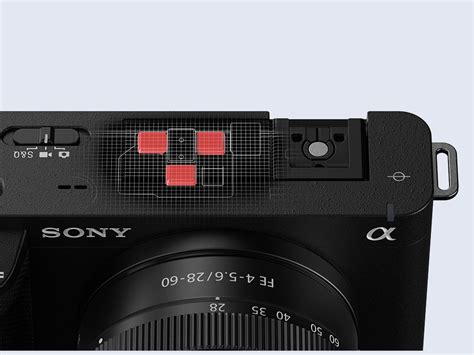
Out of the box, the Zv E1 feels designed around one-handed operation and quick framing. Controls are placed for thumb-and-index-finger access, with clearly labeled record and mode buttons. The grip is compact but secure for most hands; for extended handheld shooting, the reviewer found an optional handgrip helpful. The flip-out screen and tilt mechanisms suit self-recording and overhead angles, and the tactile quality of dials and switches is consistent with cameras in this class.
Image and Video Quality
Image quality is one of the camera’s primary selling points. In daylight and well-lit interiors, footage has a pleasing depth-of-field and subject separation that benefits narrative and lifestyle videos. Color reproduction tends toward a neutral baseline that responds well to grading; skin tones are generally accurate when using natural light. Low-light performance is usable for social-media production and indoor interviews, but buyers who frequently shoot in extreme low light should still consider faster prime lenses or additional lighting for best results.
Video codecs and recording options are broad enough for most creators: practical frame-rate choices and bitrates give flexibility for social platforms and longer-form edits. The reviewer noted that internal recording choices provided good balance between file size and post-production latitude.
Autofocus and Subject Tracking
Autofocus is a cornerstone of the Zv E1 experience. In everyday use it locks quickly and stays confident on faces and moving subjects, which is crucial for single-operator shoots and vlogging where framing adjustments are frequent. Eye-detection and subject-tracking work consistently in typical scenarios—walking and talking, pets moving into frame, and moderate camera movement—reducing the need for manual refocus during shoots.
Stabilization and Handling Motion
The camera’s stabilization system mitigates handheld shake well for short walk-and-talk segments and casual movement. For fast-paced run-and-gun work, stabilization alone is helpful but not a replacement for a gimbal when the user demands cinema-smooth motion. For static interviews and tripod-mounted B-roll, stabilization is more than sufficient and simplifies setup.
Shop the latest Electronics picks on Amazon.
View Offers →Audio Capabilities
Audio is a frequent concern for buyers, and the Zv E1’s onboard solutions are solid. Built-in microphones capture acceptable reference audio for quick uploads, but like most cameras, the best results come from an external microphone—either shotgun or lavalier—connected to the camera’s input. Features such as automatic wind reduction and input monitoring help in field recording. The reviewer appreciated the easy access to input gain and monitoring controls while recording.
Battery Life and Heat Management
Battery life is adequate for moderate daily shooting but will not cover a full day of continuous high-resolution recording without spare batteries or external power. The reviewer recommends carrying at least one spare battery for a half-day shoot or planning to top up with USB power where available. Under prolonged 4K recording, the body shows some thermal build-up; the camera managed heat gracefully for typical social clips and interview segments, but extended continuous recording sessions (e.g., multi-hour livestreams) should be planned with cooling breaks or external recorders in mind.
Connectivity, Workflow, and Usability
Wi-Fi, Bluetooth, and USB connectivity streamline remote control, file transfer, and tethering. The companion app worked reliably for previewing and transferring clips in the reviewer’s tests, though transferring large files is still faster via an SD card reader. The menu system is logically organized for common video tasks; beginners will find a number of presets and auto modes to get started, while experienced users can create custom presets for repeatable setups.
Lenses and Ecosystem
The Zv E1 benefits from a wide lens ecosystem. Fast primes improve low-light performance and deliver the cinematic look many buyers seek. For creators who prioritize portability, a small selection of compact zooms offers flexibility without greatly increasing kit size. Lens choices ultimately determine much of the camera’s final look—buyers should plan budget and shooting intent around lens selection as much as the body itself.
Real-World Use Cases
- Solo vloggers and lifestyle creators: The Zv E1 simplifies framing and focus so creators can concentrate on performance and storytelling rather than constant manual adjustments.
- Travel and documentary shooters: Lightweight body and stabilization make it suitable as a travel B-camera for cinematic inserts and interviews on the move.
- Indie filmmakers and short-form producers: The full-frame look helps achieve shallow depth-of-field and subject separation for narrative content without a bulky setup.
- Hybrid creators: Photographers who occasionally shoot video will find hybrid controls and image quality adequate for social and client work.
Pros & Cons
- Pros:
- Strong autofocus and subject tracking suited to single-operator shoots
- Pleasing full-frame look with good color response for grading
- Compact, video-first ergonomics and intuitive controls
- Flexible connectivity for modern workflows (wireless transfer and remote control)
- Good onboard audio features with easy external mic support
- Cons:
- Battery life requires planning for long shooting days
- Heat build-up during extended high-bitrate recording—limits continuous long takes
- Stabilization helps but is not a gimbal substitute for cinematic motion
- Lens cost and size can quickly increase the overall kit footprint
Comparison: Zv E1 vs Alternatives (Qualitative)
| Feature | Zv E1 | Typical APS-C Vlogging Camera | High-End Full-Frame Hybrid |
|---|---|---|---|
| Sensor & Look | Full-frame look with shallower depth-of-field; more cinematic separation | Smaller sensor; good for portability and reach with tele lenses | Excellent image quality and dynamic range; larger body and cost |
| Autofocus | Fast subject-tracking optimized for video | Good AF but can lag in complex tracking scenarios | Top-tier AF performance with professional customization |
| Stabilization | Effective in-body stabilization for everyday use | Often relies on lens stabilization or electronic IS | Strong IBIS, often with advanced motion modes |
| Portability | Compact for a full-frame body | Most portable option | Heavier and larger—best for planned shoots |
| Price & Value | Mid-to-high price tier for creators wanting full-frame video | Lower cost and attractive for beginners | Higher cost, geared to professionals |
Buying Guide: What to Consider Before Choosing the Zv E1
1. Define Primary Use Cases
Buyers should begin by identifying whether the primary need is daily vlogging, travel filmmaking, client work, or studio interviews. The Zv E1 is most compelling for creators who prioritize video quality with a compact full-frame body—if the goal is purely portability and long battery life for smartphone-style vlogging, a smaller APS-C camera or even a high-end smartphone might suffice.
2. Budget for Lenses and Accessories
The body is only one part of the system. Good lenses make the biggest visible difference. Prime lenses improve low-light performance and image character; compact zooms increase flexibility. Budget for at least one fast prime plus an external microphone and spare battery if recording sessions run long.
3. Consider Stabilization Needs
If the workflow requires consistently smooth moving shots (walking tours, run-and-gun b-roll), plan to pair the camera with a gimbal. For static interviews and short mobile takes, the internal stabilization will be sufficient and makes the setup lighter and faster.
Discover deals on Electronics — updated daily.
View Offers →4. Plan for Power and Extended Recording
For multihour shoots, the Zv E1 will need external power or a battery-swapping strategy. Confirm how often one must stop to replace batteries and whether USB power delivery works with common power banks in the field.
5. Think About Heat and Continuous Record Needs
Reviewers encountered thermal considerations during long high-bitrate shoots. If continuous multi-hour recording is essential—such as live events—plan for breaks, external recorders, or dedicated cameras designed for continuous duty to avoid dropped frames or shutdowns.
6. Evaluate Audio Workflow
Audio often determines whether a single-camera setup is live-ready. Determine if the Zv E1 integrates with the chosen microphones and mixers. For interviews and client work, lavalier systems and hard-wired backups are worth considering.
7. Check the Lens Ecosystem and Mount Compatibility
Confirm which lenses are readily available in the mount the Zv E1 uses and whether adapters are practical for older glass. A strong native lens selection reduces compromises and keeps the kit compact and balanced.
8. Post-Production and File Management
The camera produces files that will be edited—ensure the chosen editing platform and storage solution handle the resolution and codec choices. Fast cards and a reliable transfer workflow save time during editing.
Practical Tips from a Month of Use
- Pre-define two camera presets: one for indoor interviews and one for outdoor run-and-gun, so switching is instant and repeatable.
- Invest in one fast prime: a 35mm or 50mm equivalent prime can transform indoor low-light footage without much weight penalty.
- Carry two batteries: for half-day shoots, one spare is a minimum; add a USB-C power bank for travel days.
- Use a small external recorder for long sessions: if recording continuously is necessary, an external recorder reduces thermal stress on the body.
- Monitor audio closely: always check levels with headphones at the start of a take—onboard meters are useful but subjective listening rules.
Conclusion
After a month of mixed-use testing, the Zv E1 emerges as a thoughtfully designed camera for creators who want a full-frame aesthetic without the bulk of a professional cinema rig. Its autofocus, video-first ergonomics, and overall image quality make it a strong contender for vloggers, hybrid shooters, and lightweight documentary makers. Buyers must, however, factor in additional costs for lenses, consider battery and heat management strategies for longer shoots, and decide whether onboard stabilization is enough for their motion needs. For creators who prize a compact full-frame look and reliable video features in a single package, the Zv E1 is worth serious consideration; those who prioritize all-day battery life, ultra-long continuous recording, or the absolute smoothest motion may need to pair it with complementary gear to meet those demands.